Understanding Scotch Whisky Regions
By All Star Liquor Team · 7 min read
From the peaty monsters of Islay to the elegant florals of the Highlands — a guided tour through Scotland's five whisky-producing regions.
Why Regions Matter
Scotland is divided into five official whisky-producing regions, each with its own combination of geography, climate, water source, and tradition that produces distinctly different flavor profiles. These aren't just administrative boundaries — they're a map of taste. Understanding which region a bottle comes from gives you a reliable preview of what's in the glass, and which food, occasion, or mood it's suited for.
Islay: The Peat Island
Islay (pronounced "Eye-luh") is a small island off Scotland's west coast and home to some of whisky's most intense expressions. The island's peat bogs are used to dry malted barley, infusing the spirit with phenolic smoke, iodine, seaweed, and brine. Ardbeg, Laphroaig, Bowmore, and Lagavulin are the legendary names here. These whiskies are polarizing — whisky lovers tend to fall completely in love or want nothing to do with them. If you've never tried Islay Scotch, ask us to guide you from lighter (Bowmore 12) to heavier (Ardbeg 10) before committing to a bottle.
Speyside: The Elegant Core
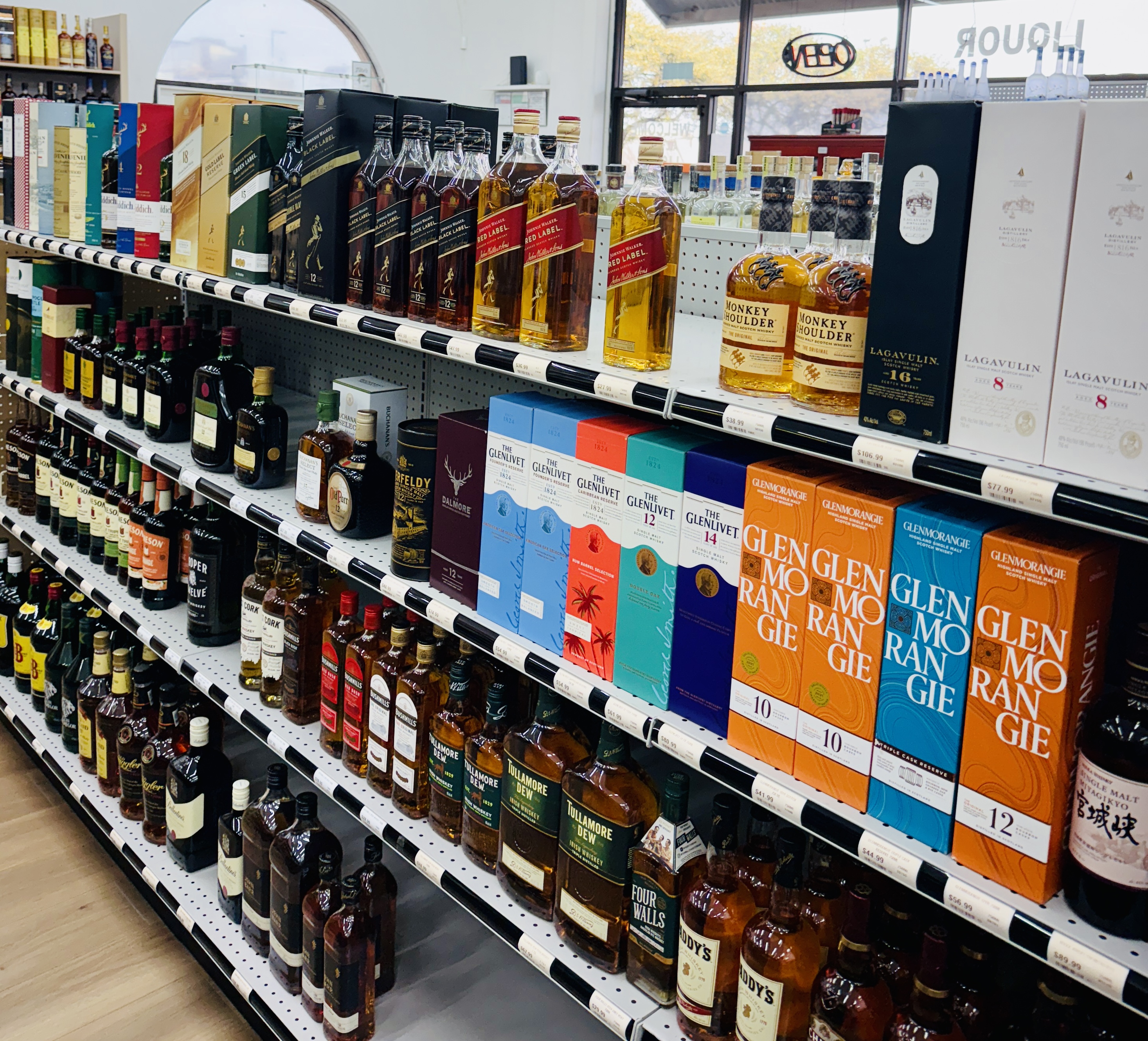
Speyside, centered around the River Spey in northeastern Scotland, is home to more distilleries than any other region — over half of Scotland's total production. Speyside malts are known for their fruity, honeyed, and often sherry-influenced character. The style is approachable: sweet without being cloying, complex without being challenging. The Macallan, Glenfiddich, Balvenie, and Glenlivet all call Speyside home. These are the bottles that often convert beer drinkers and bourbon fans into Scotch devotees.
Highlands: The Vast Middle
The Highlands is Scotland's largest and most geographically diverse region, producing whiskies that range from light and floral in the north to rich and full-bodied in the south. The diversity makes it harder to generalize, but common threads include heather, dried fruit, nuts, and a gentle smokiness. Glenmorangie, Dalmore, and Oban are Highland classics. The coastal Highlands — particularly around Oban — produce whiskies with a maritime, slightly salty character that bridges the gap between Islay intensity and Speyside sweetness.
Lowlands: Approachable & Delicate
The Lowlands produces lighter, more delicate whiskies — often triple-distilled for a softer, gentler spirit. Grassy, floral, and clean, Lowlands Scotch is sometimes described as the "aperitif" of the whisky world. Auchentoshan is the best-known Lowlands distillery and a great entry point for anyone new to Scotch. These bottles also work well in cocktails where you want whisky character without overwhelming the other ingredients.
Campbeltown & Island: The Wildcards
Once the whisky capital of the world, Campbeltown on the Kintyre peninsula now has only three working distilleries — but Springbank alone would justify its own category. Springbank produces some of Scotland's most complex and revered expressions, with an idiosyncratic style that defies easy description: briny, fruity, slightly peaty, and remarkably layered. The Islands (Skye, Orkney, Arran, Jura, Mull) aren't an official region but share coastal influences that create maritime, often lightly peated whiskies. Talisker from Skye and Highland Park from Orkney are outstanding examples.
All Star Liquor
Ready to Explore?
Visit any of our four Texas locations. Our team is here to help you find exactly what you're looking for.